
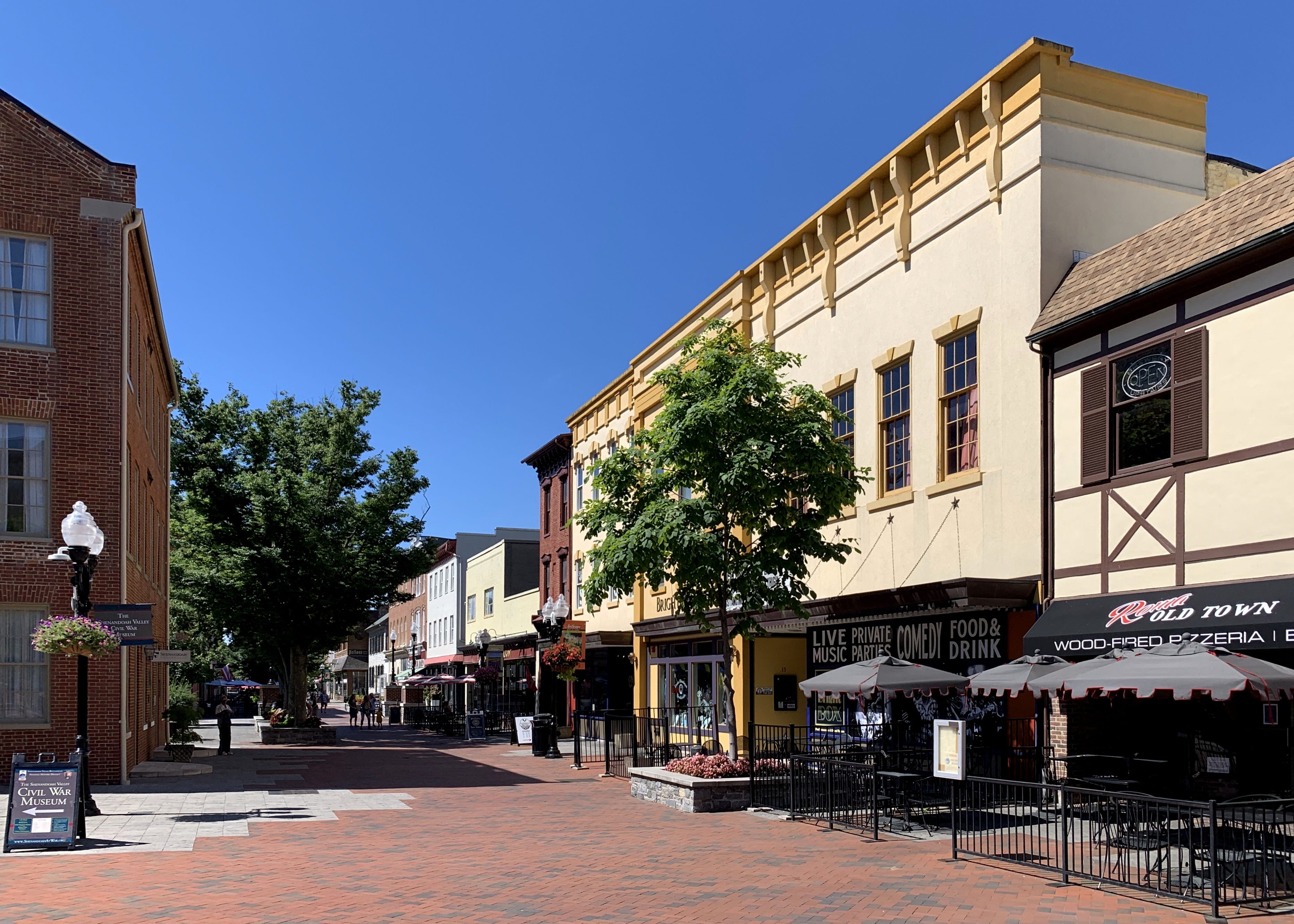
Most people arriving in Winchester for the first time have one of two things in mind: Civil War history or the Shenandoah Apple Blossom Festival. Both are worthy reasons. Winchester’s Civil War connection is rich and deep; the city changed hands repeatedly during the conflict, more than virtually any other community in the country, and the Apple Blossom Festival, held each spring, draws hundreds of thousands of visitors to one of the state’s oldest civic celebrations.
But Winchester has a third dimension that gets less attention, and it’s the one that makes the city worth spending a full day or two in rather than just driving through.
The House on South Kent Street
Patsy Cline was born in Winchester in 1932. The Patsy Cline Historic House at 608 South Kent Street is where she lived as a teenager and young woman, from roughly age 16 until she began her professional life in Nashville in the early 1950s. The house, a National Historic Landmark, has been preserved with period-appropriate furnishings and personal memorabilia, and guided tours make it more than a walk-through. The guides tend to be genuinely knowledgeable about both her life in Winchester and the music career that followed.
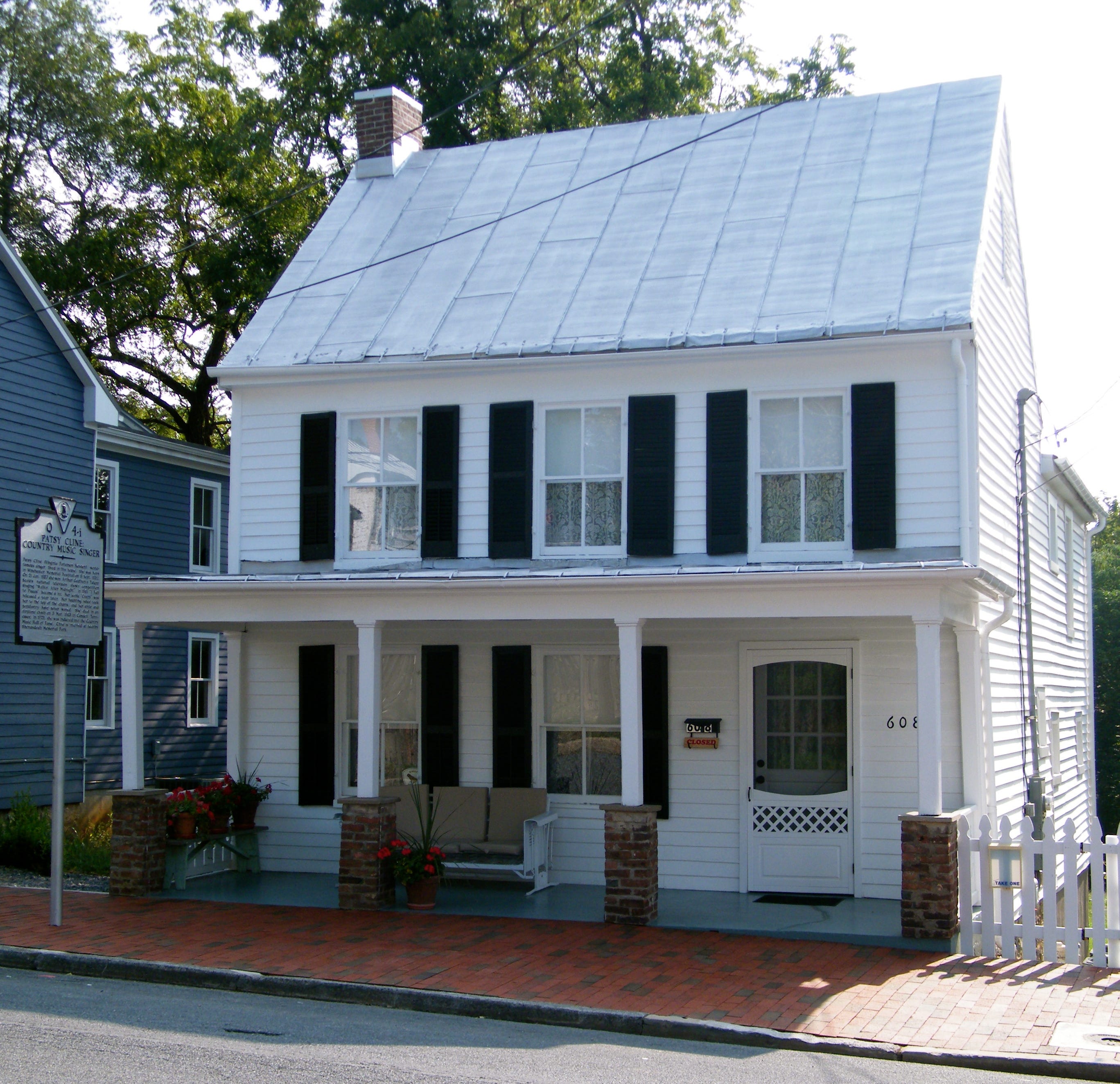
Patsy worked as a soda jerk at Gaunt’s Drug Store on Loudoun Street before she was famous, and Virginia Living describes how she scandalized neighbors by wearing slacks and smoking on her porch — behavior that seems quaint now but marked her out in 1950s Winchester as someone who was bigger than the small town. After her whirlwind life and successful music career, she was laid to rest at Shenandoah Memorial Park in Winchester.
The Museum of the Shenandoah Valley
The Museum of the Shenandoah Valley on Amherst Street is the city’s most ambitious cultural institution, housed on a seven-acre property that includes both the museum building and the historic Glen Burnie House, a Georgian-Federal estate with formal gardens that include a Japanese garden designed beginning in 1956 by Julian Wood Glass and R. Lee Taylor. The main museum building holds the R. Lee Taylor Miniatures Collection, one of the most comprehensive collections of American miniatures in the country, alongside rotating regional exhibitions and permanent galleries on Valley history.
The grounds warrant a morning visit. A woolly mammoth made entirely of metal stands along the property’s trails, and the Japanese garden provides a genuinely surprising counterpoint to the formal English-influenced gardens surrounding the historic house.
Walking the Old Town
Winchester’s Loudoun Street Pedestrian Mall is a two-block walking mall lined with more than twenty local restaurants, four coffee shops, and four craft breweries all within walkable distance of each other, along with independent shops, galleries, and a stretch of preserved 18th and 19th-century architecture that makes it genuinely pleasant to walk rather than just convenient.
The Winchester-Frederick County Visitors Bureau offers seven free mobile walking tours covering everything from the city’s Colonial architecture and Civil War history to a dedicated Patsy Cline tour through the neighborhoods where she lived and worked. Friends of Old Town recently added a “History of Us” tour accessible through QR codes on buildings throughout the mall, letting visitors pull up the story behind a building just by pointing a phone at it.
Broken Window Brewing Company operates as the city’s premier nano brewery in Old Town, specializing in craft beers and running a rotating tap list that draws a consistent local crowd on weekday evenings. Six total breweries are currently operating in or near the downtown area, most walkable from each other, which gives Winchester a craft-beer density unusual for a city of its size.
The Civil War History Up Close
It’s worth understanding what “changed hands repeatedly” actually means in practical terms for a city’s landscape. Winchester has Stonewall Jackson’s Headquarters Museum at 415 North Braddock Street, a preserved antebellum home where Jackson planned the 1862 Valley Campaign, and the Shenandoah Valley Civil War Museum on Loudoun Street, which documents the broader regional conflict rather than focusing only on military leaders. The city courthouse has a first floor that functions as an original courthouse space and a second floor with Civil War documentation that local visitors describe as unexpectedly detailed and organized.
For the geology underneath all this history: Winchester sits in the limestone-heavy karst country at the northern end of the Valley, the same rock formation that produces the caves and sinkholes throughout the region, and the city’s old spring houses and underground water systems reflect that geology in the built environment.
Before You Leave: The Orchards

Winchester and Frederick County make up Virginia’s primary apple-growing corridor, and the roadside fruit stands operating from late summer through fall carry varieties you won’t find at a grocery chain. Marker Miller Orchards and Richard’s Fruit Market are two of the more established roadside stops near the city; the produce has earned the city its apple identity, but the stands themselves are as much a living piece of local economy as they are tourist attractions.
The Patsy Cline Historic House offers guided tours seasonally; check patsylinehouse.org for current hours and reservation requirements. The Museum of the Shenandoah Valley is open Wednesday through Sunday at 901 Amherst Street, Winchester.